




When I need help at home, I usually want two things: a clear way to request a service and less time spent arranging it. Urban Company: InstaHelp &more is built around that simple need. Developed by Urban Company, this free House & Home app brings household services into one place, from routine assistance to jobs that are easier to hand over to a trained professional. My overall view is positive: it is most useful when convenience matters more than finding the absolute cheapest local option, although the experience still depends heavily on the service available in your area.
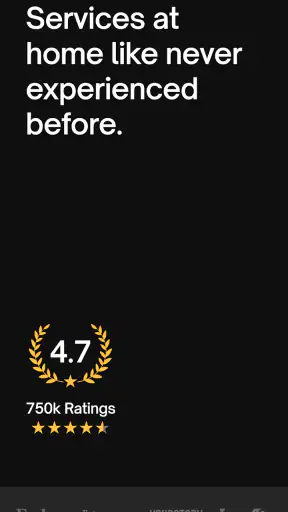
The app has been around since Apr 15, 2015, and its scale is easy to see in the store figures: it has passed 10 million installs and holds a 4.8 average from around 2.1 million ratings. Those numbers do not guarantee that every booking will be perfect, but they do suggest that this is an established service rather than a small experiment. It is rated Everyone, costs nothing to install, and the current version is 7.6.72 for devices running Android 7.0 or later.
What using Urban Company feels like in everyday life
I find the app easiest to understand when I imagine a normal weekday problem. Perhaps a tap starts leaking before work, the air conditioner needs attention before guests arrive, or the house needs a deeper clean than I can manage over the weekend. Instead of searching through scattered local listings, calling several people, and repeating the same explanation, I can start with a service category and move toward a booking in one flow.
That is the central strength of Urban Company: it turns a vague household chore into a more organized request. The app is not merely a directory of phone numbers. It is designed around selecting a type of help, checking what is available, and arranging a visit through the platform. For someone who values a predictable digital process, that is a meaningful improvement over relying on a handwritten contact saved months ago.
The “Instahelp” idea is especially appealing for small, time-sensitive needs. A broken fixture or an urgent cleaning requirement does not always justify a long search. The service summary points toward help in under 30 minutes, which makes the app sound particularly suited to immediate assistance. In practice, I would still treat that as a useful aim rather than a promise for every request, because location, demand, service type, and professional availability can affect how quickly help arrives.
What I appreciate most is the reduction in coordination work. A traditional arrangement often involves asking whether someone is available, describing the problem, negotiating a time, and then following up if the person is late. An app-based booking can make that process feel more deliberate. Even when I still need to explain the issue, I begin from a relevant service rather than from a blank conversation.
The strongest part is the service-first workflow
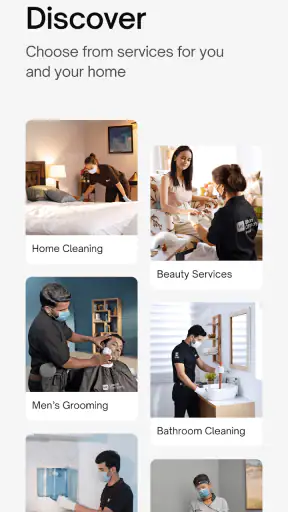
Urban Company works best when I already know the kind of assistance I want. If I need home cleaning, appliance-related help, beauty services at home, or another household task offered in my location, browsing by service is more practical than searching the wider internet. The category structure gives me a starting point and helps avoid the common problem of contacting a general handyman who may not handle the particular job.
That distinction matters for work that requires preparation. A cleaning appointment is different from a repair visit, and a routine request is different from an urgent one. Choosing the closest matching service before booking encourages me to think about the job properly. I can consider whether the task is a quick fix, a larger maintenance need, or something that should be handled by a specialist rather than improvised at home.
One useful habit is to prepare a short description before confirming a request. I would note the appliance or area involved, the visible symptom, and anything that could affect access. For example, “the washing machine is not draining” is more useful than simply writing “machine problem.” This small step can reduce back-and-forth and make the visit more efficient. It is not a flashy feature, but it is the kind of workflow improvement that makes a service app genuinely useful.
I also recommend checking the selected service carefully instead of choosing the first familiar label. Two options can sound similar while covering different kinds of work. A person looking for a basic cleaning session may not need a more specialized treatment, while someone with a technical fault should avoid choosing a general household option just because it appears first. The app can organize the decision, but I still need to make the final judgment.
Where the app saves more time than expected
The biggest time saving is not always the booking itself. It is the ability to keep household tasks from becoming a chain of separate errands. If I am arranging more than one type of help, having those needs represented in the same service environment is easier than managing multiple informal contacts. That is particularly valuable for people who have recently moved, live alone, work long hours, or look after family members.
There is also a practical benefit for people who are not confident judging service providers from a quick web search. A broad search can return outdated listings, unclear availability, or providers who do not serve the exact neighborhood. Urban Company gives the request a more focused path. I still need to read the booking details and use common sense, but I am not starting with an unfiltered list.
For repeat household maintenance, I would use the app as a planning tool rather than waiting for a crisis. A small issue is often easier to handle before it becomes an expensive or disruptive one. The app is well suited to that mindset because it puts different kinds of home assistance within reach from the same device. It does not remove the need for judgment, but it lowers the effort needed to act.
The important limitation: convenience is not the same as certainty
My main reservation is that an organized interface cannot guarantee an ideal result. The quality of a home service depends on the person assigned, the accuracy of the request, the condition of the item being repaired, and the expectations on both sides. A smooth booking can still lead to a disappointing visit if the task is more complicated than it first appeared.
This is why I would not use Urban Company as a substitute for careful inspection on expensive or technically sensitive work. If a repair involves a major appliance, a serious plumbing issue, or a problem that could create safety risks, I would describe it precisely and ask questions before approving additional work. For a high-value job, a trusted specialist with a strong local reputation may be a better choice than the fastest available booking.
There is another trade-off with platform convenience. A local professional I already know may offer more personal continuity and a better understanding of my home. With an app, I may gain easier scheduling but lose that familiar relationship. For a one-off cleaning session or a straightforward task, that exchange can be worthwhile. For recurring maintenance where the same person’s knowledge matters, my established contact could remain preferable.
Availability is another factor I would keep in mind. The app can only be as useful as the services offered in my area at the moment I need them. A person living in a well-served urban location may find the selection convenient, while someone outside the strongest coverage areas may have fewer practical choices. I would check the available service and timing before planning around the app, especially for urgent needs.
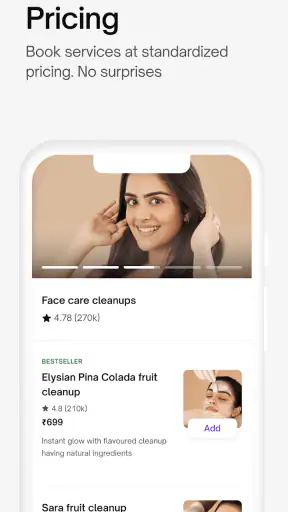
I also would not assume that the fastest option is automatically the best value. A quick appointment can be useful when the problem is disruptive, but for non-urgent work I would compare the scope of service and the expected outcome. The right question is not only “How soon can someone come?” but also “Is this the correct service for what I need?” That change in mindset prevents convenience from turning into an unnecessary booking.
How I would use it for a realistic home problem
Imagine that I notice water collecting beneath a kitchen sink on a busy morning. I would first make the area safe, remove anything that could be damaged, and take a quick look without attempting a risky repair. In Urban Company, I would choose the closest plumbing-related service, describe where the leak appears, and mention whether it happens continuously or only when the tap is running.
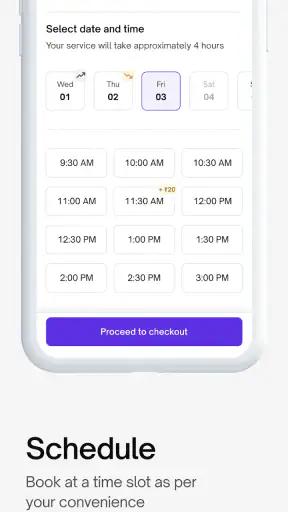
Before confirming, I would make sure the appointment time works for me and that I can provide access. I would also keep the affected area visible rather than leaving the professional to search through stored items. If the issue turns out to involve a larger pipe problem, I would want the diagnosis explained clearly before agreeing to extra work. The app helps me request assistance, but it does not replace my responsibility to understand what is being done.
For cleaning, my approach would be different. I would decide which rooms matter most, remove fragile items, and identify surfaces that need special care. A vague request can create mismatched expectations, especially when “cleaning the house” means different things to different people. The app is more effective when I use it to arrange a defined task instead of expecting a professional to infer every priority after arriving.
That is one of the less obvious lessons from using a service platform: the quality of the appointment begins before the appointment. Clear preparation improves the odds of a useful visit, while poor descriptions can make even a well-designed booking feel disappointing. Urban Company makes the administrative part easier, but the customer still shapes the outcome through accurate information and realistic expectations.
Who will appreciate it most
I would recommend Urban Company to renters, homeowners, busy professionals, families, and anyone who wants a more structured way to arrange help at home. It is particularly attractive for people who do not already have a dependable list of local providers. New residents can use it as a starting point while they learn which professionals they trust, and people with demanding schedules may value the reduced effort of arranging a visit digitally.
It can also suit someone who prefers not to negotiate every detail by phone. A service app gives that person a clearer starting point and keeps the request connected to a specific household need. The free installation removes an initial cost barrier, so trying it for a suitable task is relatively easy.
I would be more cautious about recommending it to someone who already has an excellent local professional for every recurring job. If that relationship is reliable, fairly priced, and easy to schedule, switching to a platform may not provide enough benefit. I would also suggest another route for major renovations, highly specialized engineering work, or situations where a personal referral and long-term accountability matter more than quick arrangement.
The app is not the right answer for someone who expects every service to be immediate, identical, or inexpensive. A digital interface can make booking simpler, but it cannot remove local constraints or the differences between individual jobs. Users who are willing to read the service details, explain the task, and check the result will probably get more from it than users who simply tap the fastest option and expect everything else to happen automatically.
My final view after weighing the trade-offs
Urban Company: InstaHelp &more succeeds because it addresses a familiar frustration in a practical way: finding household help should not require a long sequence of calls and guesses. Its strongest case is convenience with structure. I can begin with the type of service I need, prepare the request, and arrange assistance without building the process from scratch.
Its weakness is equally clear. The app can organize a service, but it cannot guarantee that every job will match my expectations or that every area will have the same choice and speed. I still need to select the right category, describe the problem accurately, check the appointment details, and stay alert when a task becomes more complex than expected.
With that understanding, I would keep it installed as a useful household backup and use it confidently for clearly defined, everyday needs. I would not treat it as an automatic replacement for a trusted specialist or careful comparison on expensive work. For readers who want a straightforward way to request home assistance and are comfortable balancing convenience with a little personal checking, it is a strong recommendation. The best reason to use it is not that it removes every problem, but that it makes the first sensible step much easier.
Urban Company’s mature presence, broad reach, free access, and high user response make it an appealing option in the House & Home space. Its practical value comes from turning household maintenance into something I can plan rather than postpone. For me, that makes Urban Company: InstaHelp &more worth trying when the task is suitable, the local availability works, and I want less friction than the usual search-and-call routine.


